
7 Pelvic Floor Relaxation Stretches for Birth Prep
Pelvic floor relaxation stretches for birth: 7 gentle moves with photos, breath cues and a free 18-minute follow-along for your third trimester.

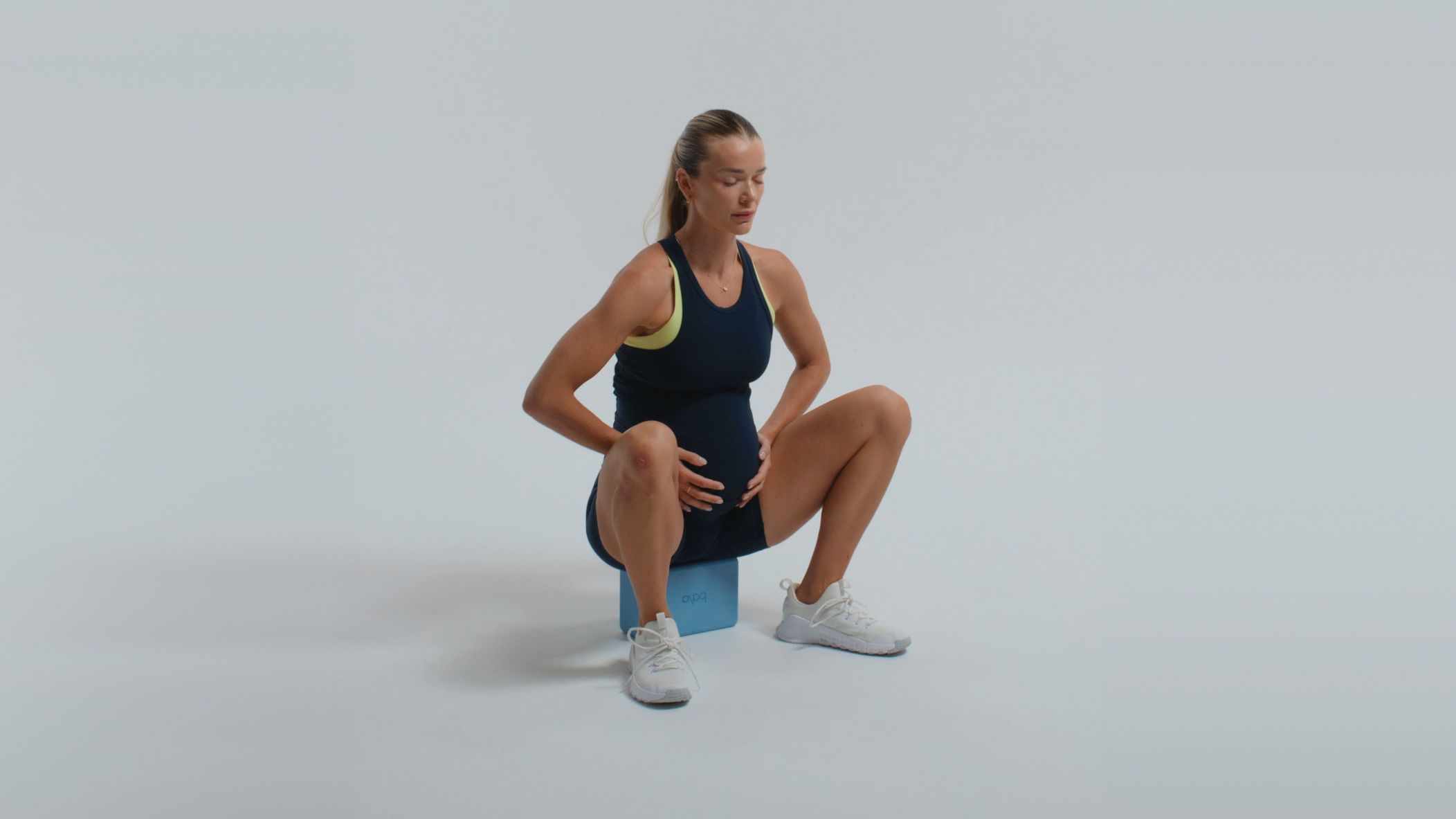
If you're in your third trimester and wondering what you can actually do to get your body ready for birth, here's where I'd start. These seven pelvic floor relaxation stretches for birth help your pelvic floor and the muscles around your hips soften and lengthen, and they let you practice the wide, open shapes you might use in labor. I filmed the full version while pregnant, and it's free to follow along below.
If you're new to exercise, have any pregnancy complications, or something just doesn't feel right, check in with your OB or midwife first.
Short answer: To relax your pelvic floor for birth, pair slow breathing with wide-hip stretches like adductor rocks, pigeon pose and a supported deep squat. Spend about a minute in each move, and let your pelvic floor soften every time you breathe in. It should feel like a comfortable stretch, never sharp.
At a glance: 15 minutes · mat, yoga block (or books), 1–2 pillows · any trimester
Why relaxing your pelvic floor matters for birth
Your pelvic floor is a hammock of muscles at the base of your pelvis. Like every muscle, it needs a balance of strength and length. As a pelvic health leaflet from University Hospitals Plymouth NHS Trust puts it, a muscle needs to contract when you need it and then relax back to its resting position.
Most pregnancy advice is about the squeeze. Birth asks for the opposite: letting go and making room.
- The muscles around your pelvis matter. When your inner thighs, glutes and hamstrings soften, it's often easier for your pelvic floor to soften too.
- Your breath is the switch. As you breathe in, your diaphragm moves down and your pelvic floor gently lengthens with it. As you breathe out, both lift back up.
- Tension hides in funny places. That same leaflet links a clenched jaw with pelvic floor tension, which is why move 5 includes a quick body check.
Lots of first-time moms worry about tearing. That's completely normal, and your OB or midwife is the best person to talk it through with. This routine is about comfort and practice, not a promise about how birth will go.
The 7-move pelvic floor relaxation routine
Move slowly, keep breathing, and use a couch or chair to help you get up and down. The pelvic health team at Women's Health Sussex says stretches like these should always feel comfortable, and you should never hold your breath.
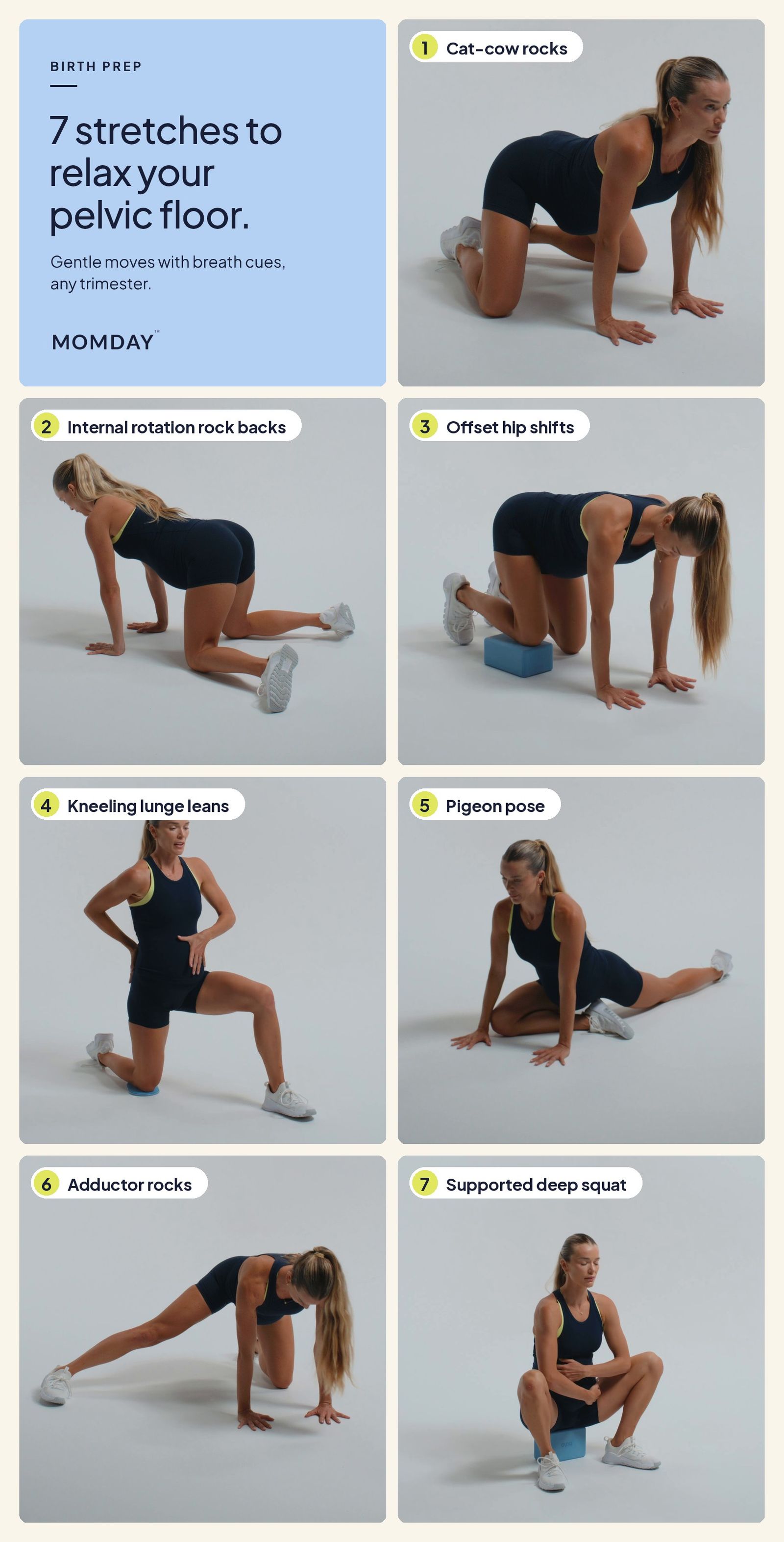
1. Cat-Cow Rocks
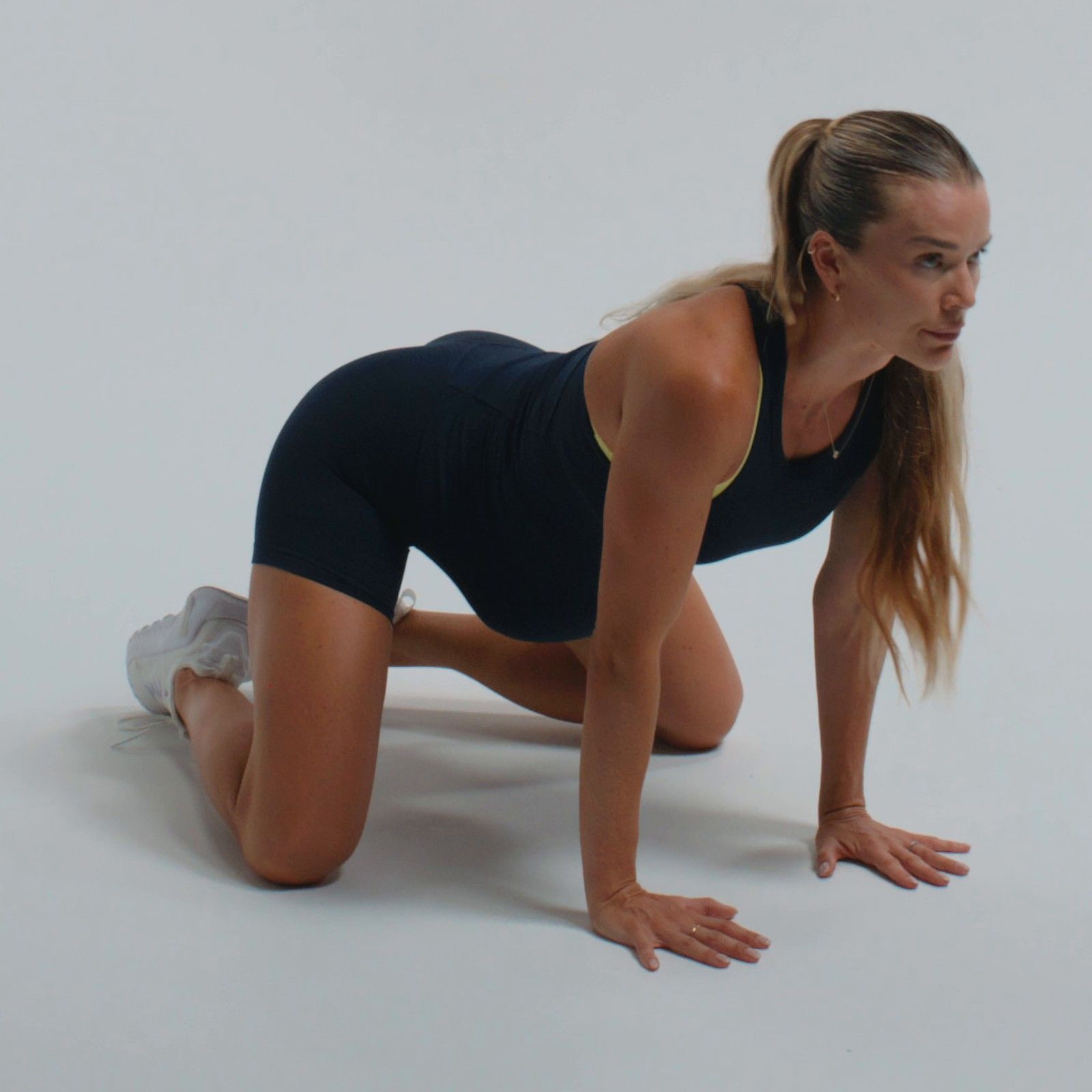
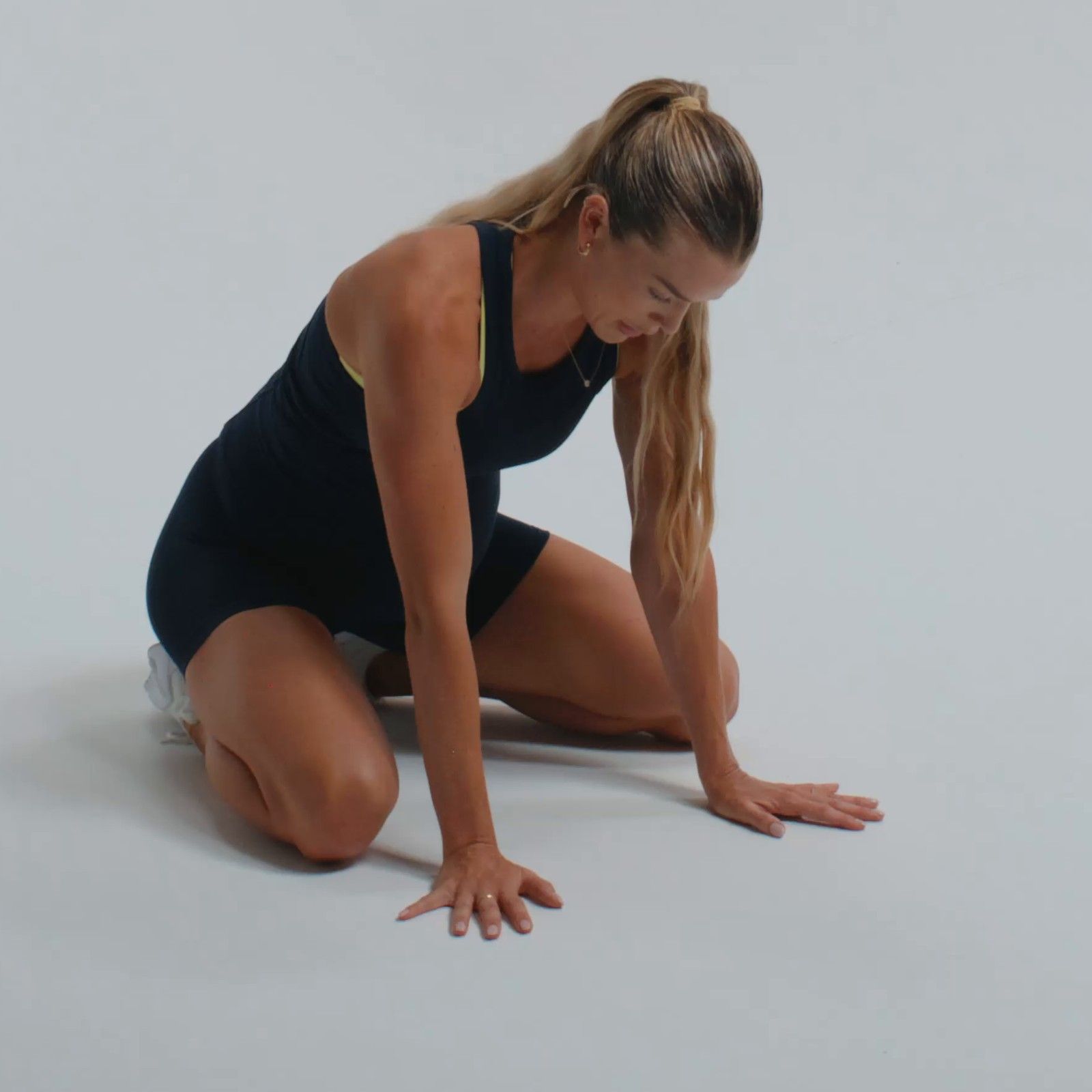
Set up: On all fours, hands under your shoulders and knees under your hips.
Breathe and move: Breathe in as you let your belly drop gently and lift your gaze into cow. Breathe out as you round your back into cat, tuck your tailbone under and rock your hips back toward your heels.
Feel it: Picture your pelvis as a bowl of water. Spill it forward, then scoop it back.
Dose: 6–8 slow rocks, about a minute.
Gentler: smaller rocks, pillow under your knees. Deeper: take your knees a little wider and rock further back toward child's pose, like I do in the video.
Watch for: sore wrists? Use fists or forearms.
2. Rock Backs With Internal Rotation
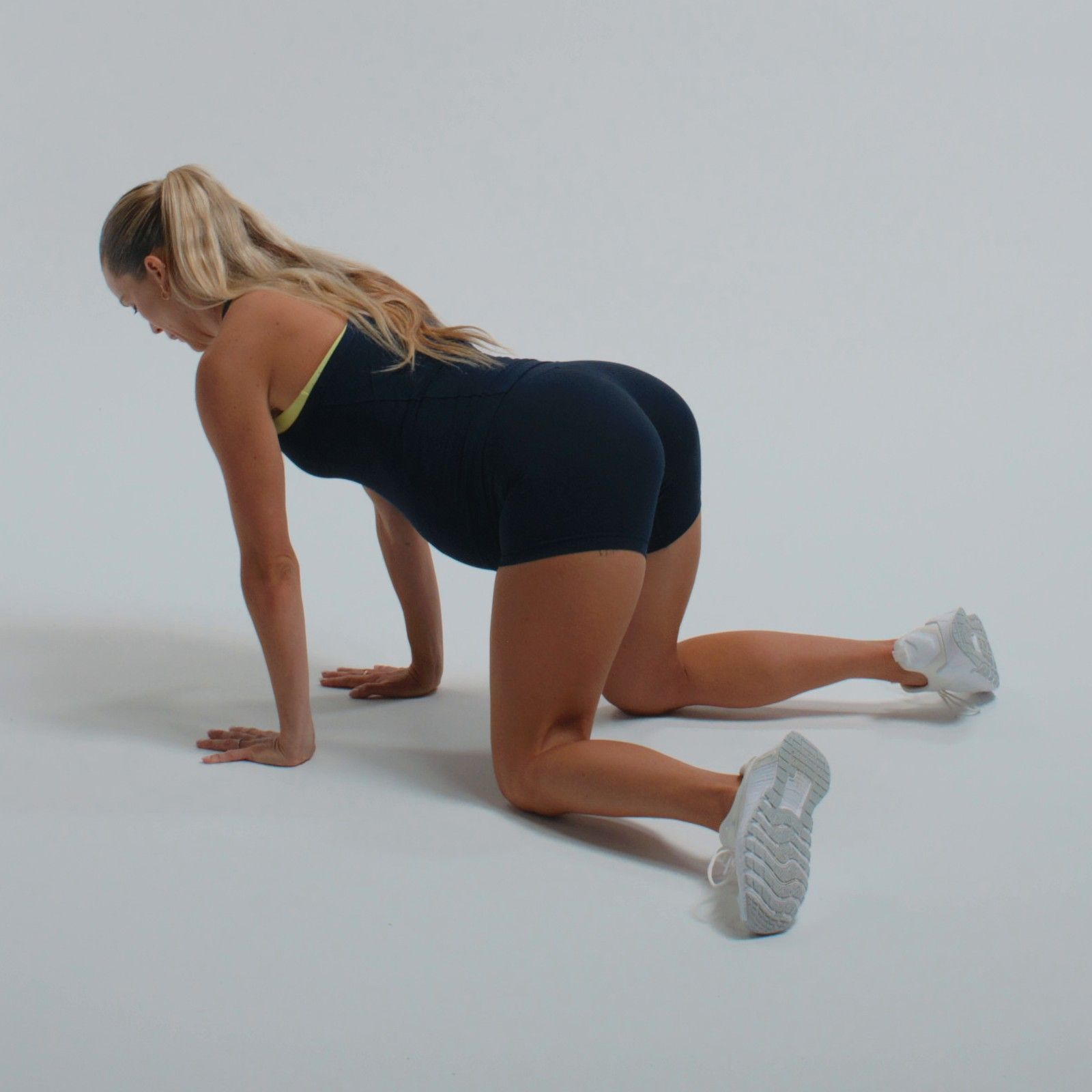
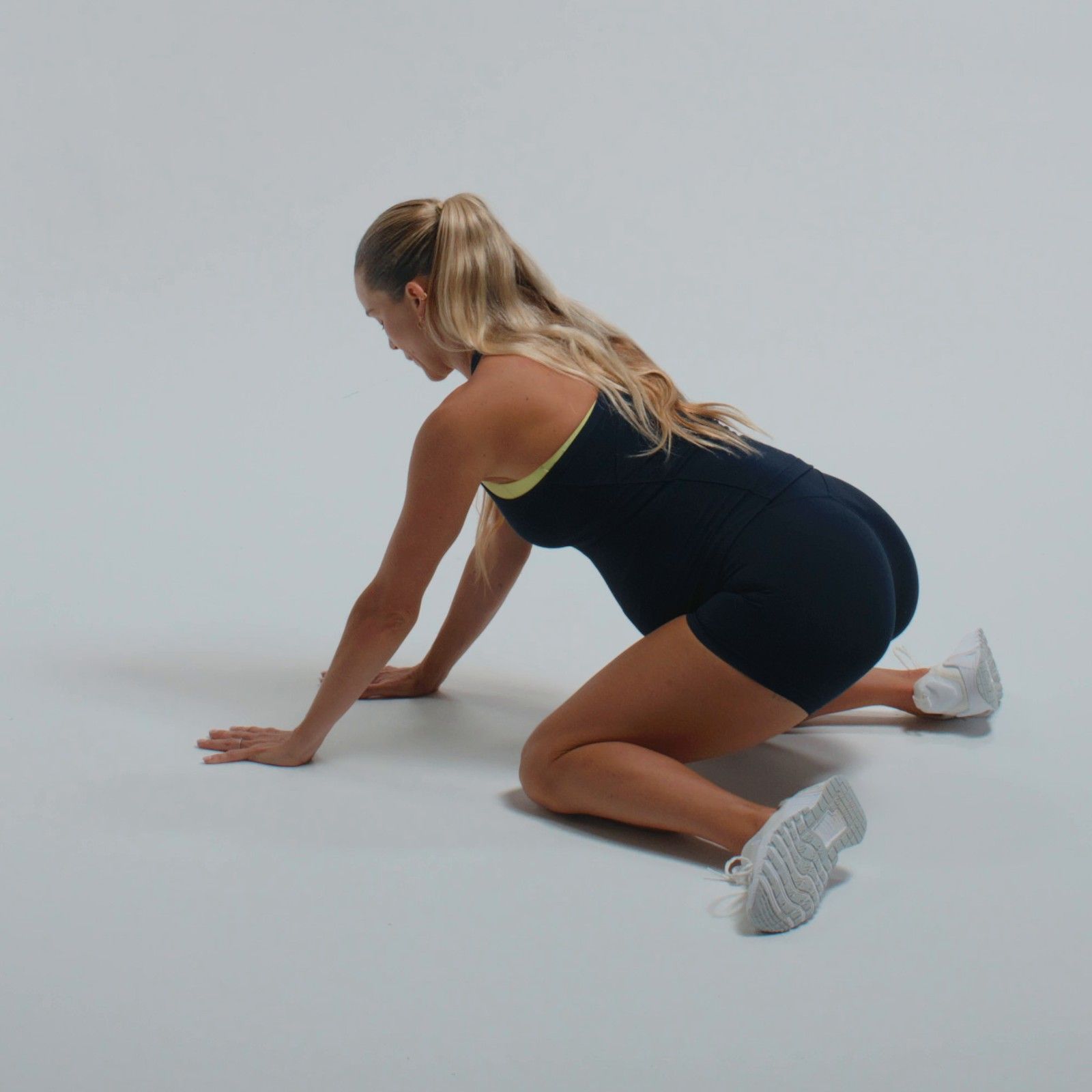
Set up: From all fours, bring your knees in close and turn your feet out wider than your knees. This rolls your thighs inward (that's the internal rotation).
Breathe and move: Breathe in as you rock back toward your heels, keeping your tailbone lifted. Breathe out as you pull forward.
Feel it: Breathe into the space between your sit bones, making room at the bottom of your pelvis.
Dose: 6–8 slow rocks.
Gentler: a smaller rock. Deeper: a long breath out at the back of each rock.
Watch for: a pinch in your knees means it's time to bring your feet a little closer.
3. Offset Hip Shifts
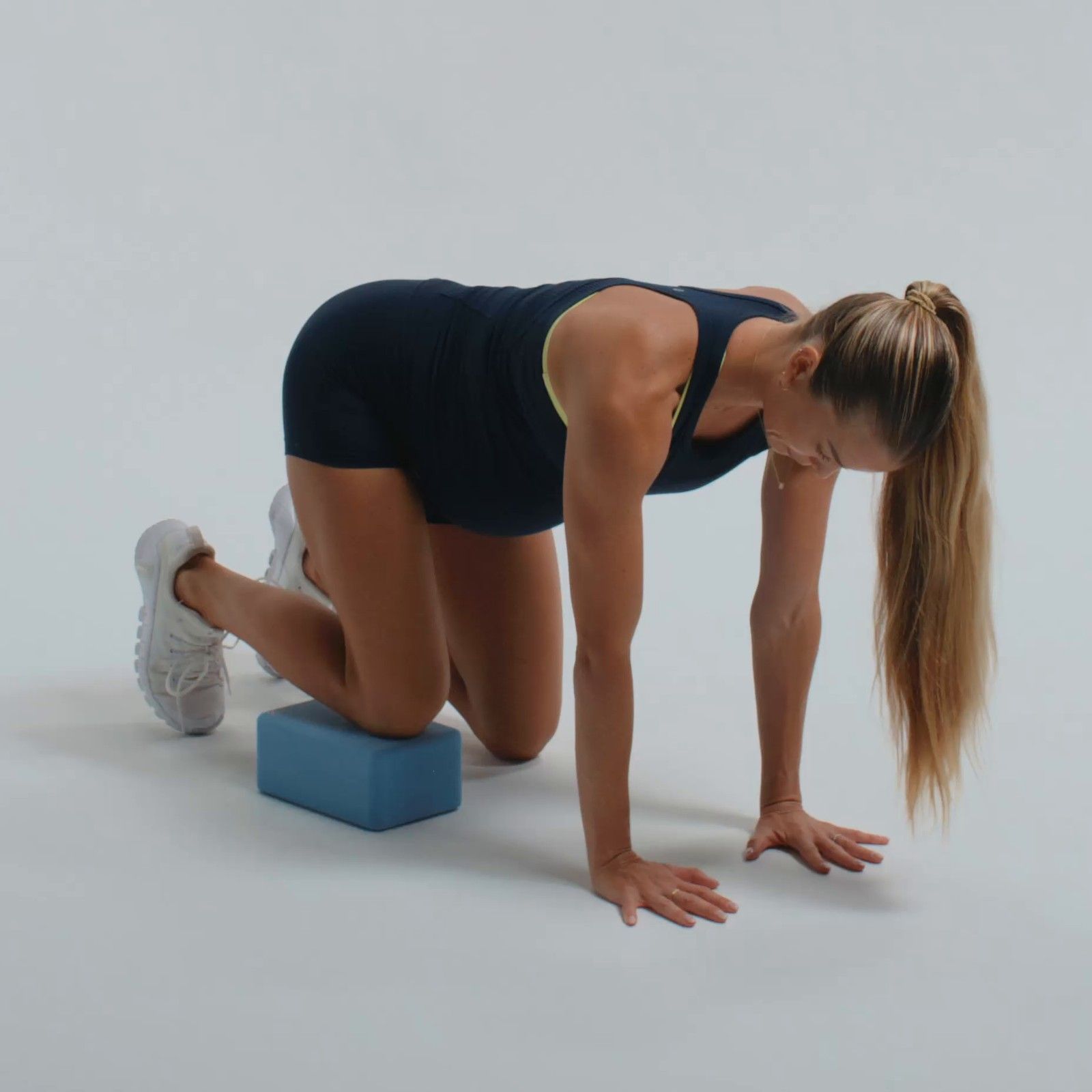
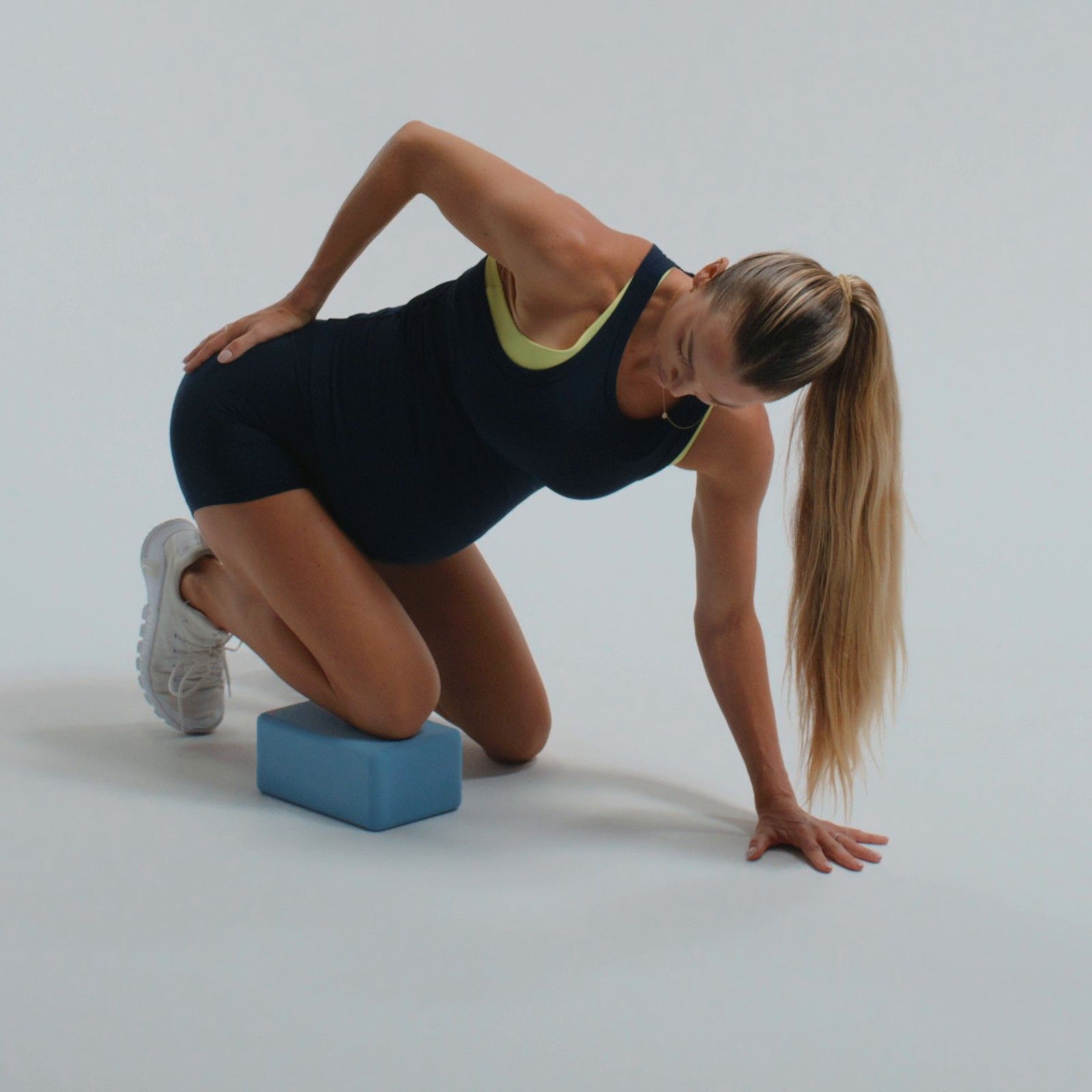
Set up: On all fours, place a block or a few books under one knee.
Breathe and move: Shift your weight toward the raised knee, and rest the hand on that side on your hip if you like. Breathe in as you sit back slightly toward your heels, and breathe out as you come forward.
Feel it: A stretch through your "back pocket" on the raised side.
Dose: about a minute each side.
Gentler: a lower block. Deeper: a few extra breaths on your tighter side.
Watch for: a tighter side is common. Breathe into it.
4. Kneeling Lunge Leans
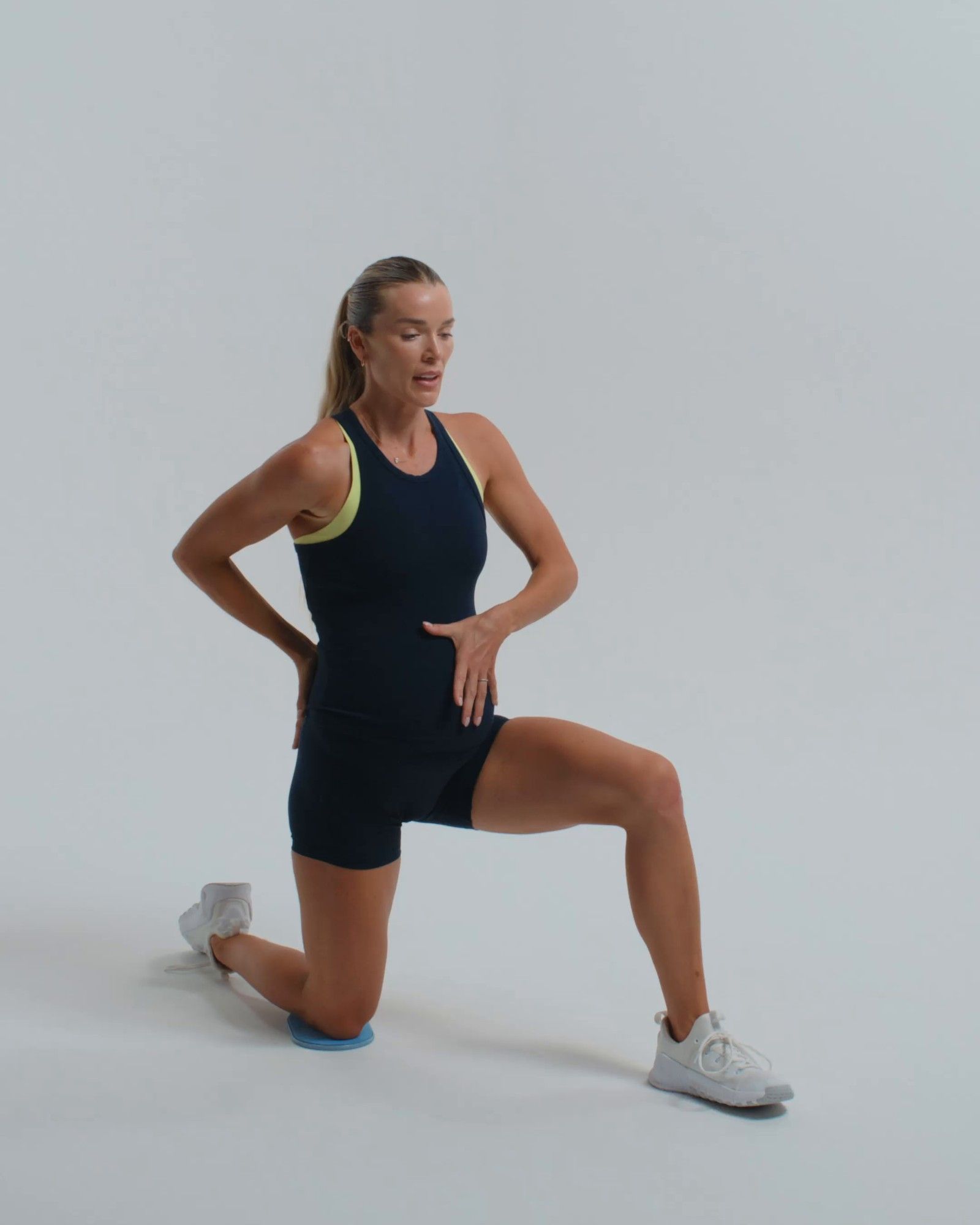
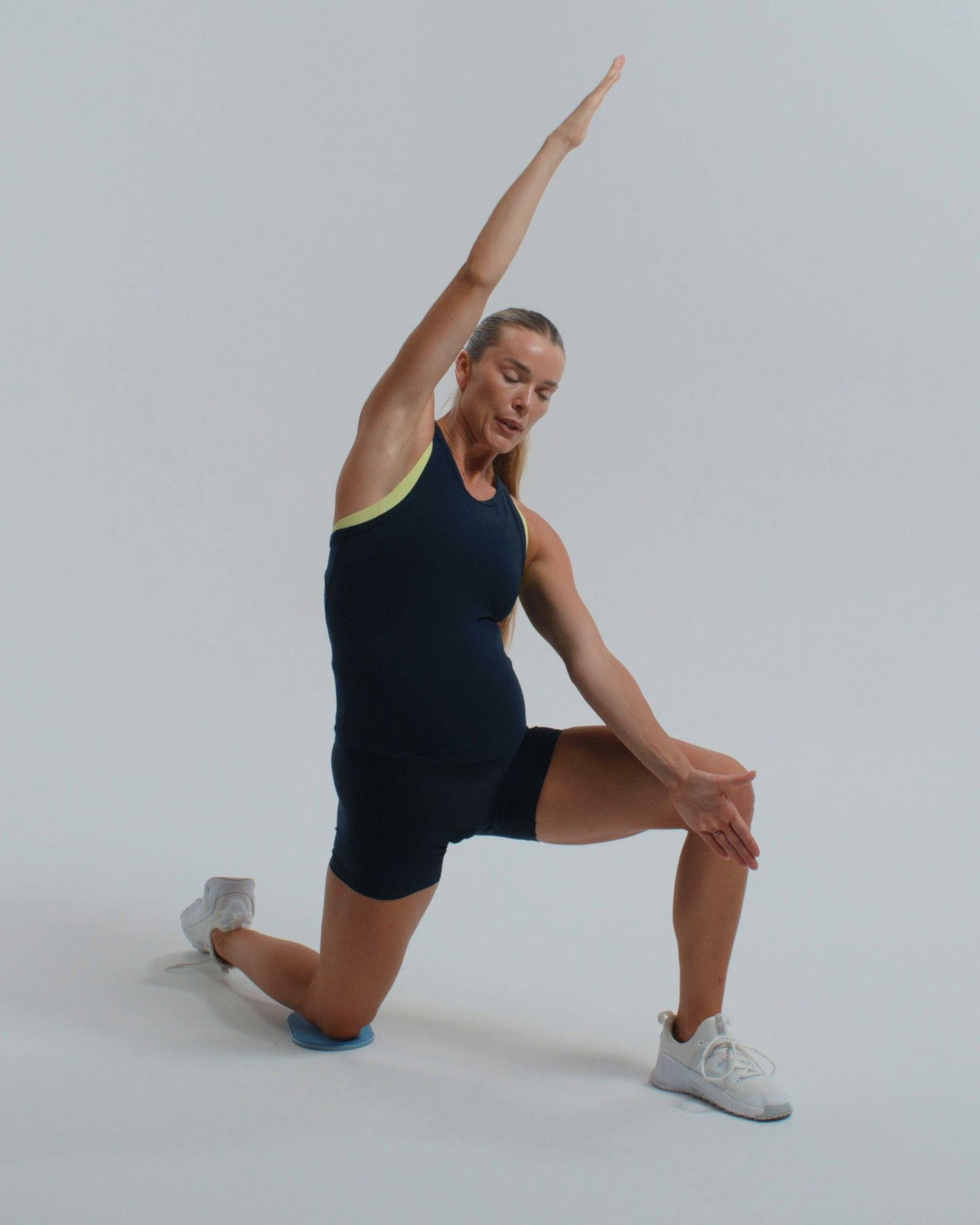
Set up: Kneel on a cushion or folded towel, step one foot forward, rest your hands on your hips and gently tuck your tailbone under.
Breathe and move: Breathe in as you lean your hips forward, and breathe out as you rock back. Then reach the arm on your back-leg side up and over for 3 breaths.
Feel it: A stretch across the front of your hip, then up into your side ribs.
Dose: 6–8 leans plus 3 breaths in the reach, each side.
Gentler: hold a chair for balance. Deeper: shift further forward, tailbone still tucked.
Watch for: if your front knee pinches, move that foot further forward.
5. Pigeon Pose
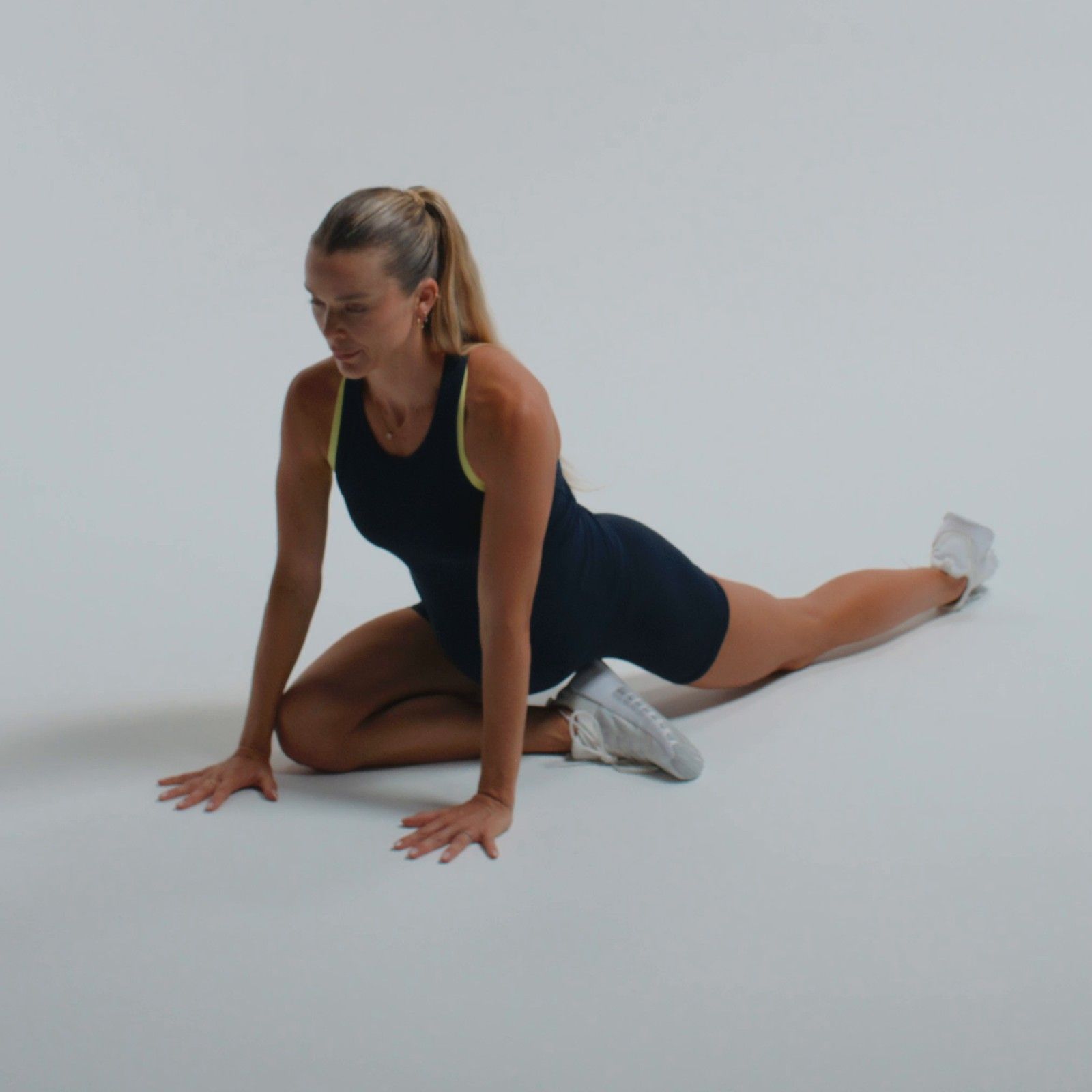
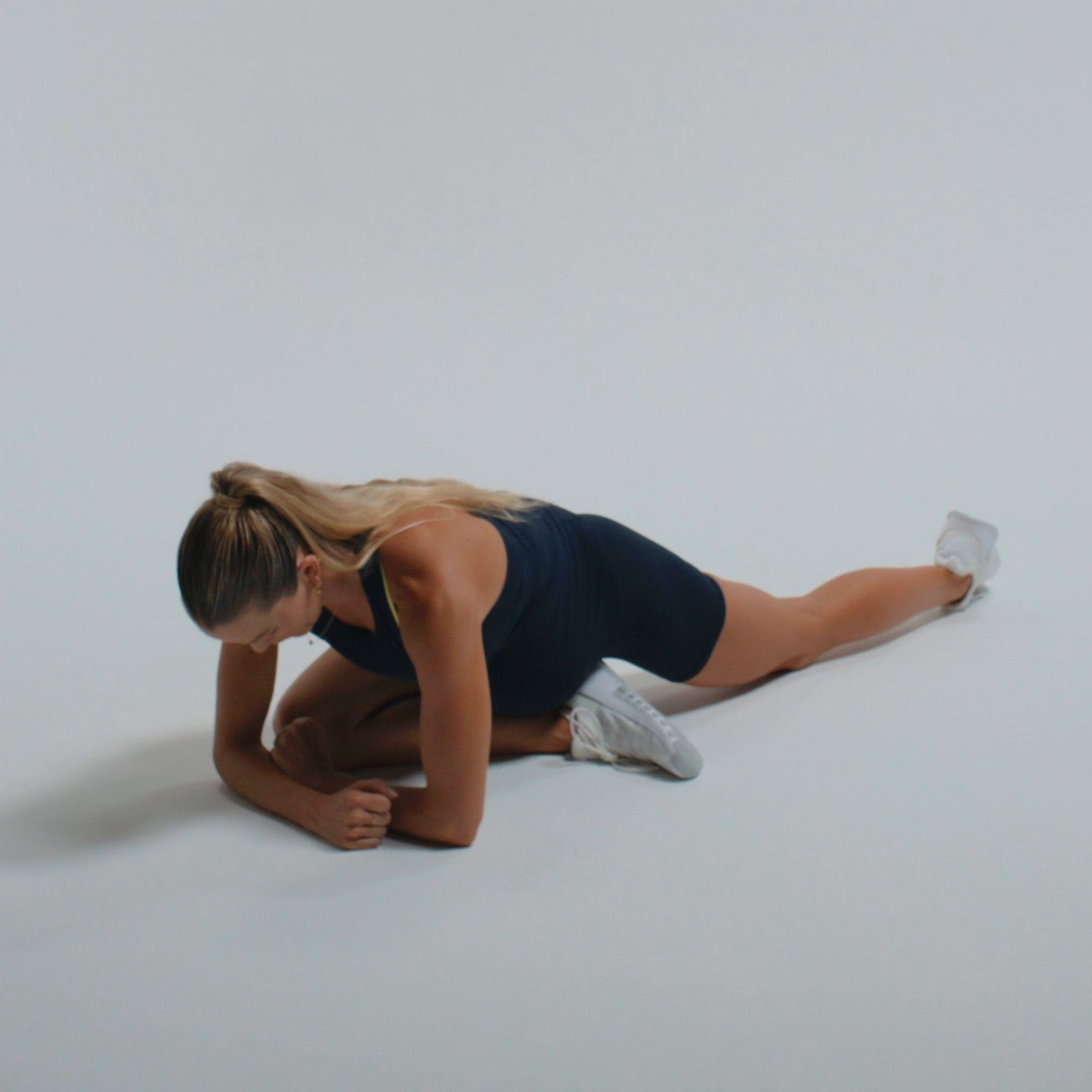
Set up: From your lunge, walk your front foot across the mat and lower that knee, with your back leg long behind you. Start upright, hands on the floor.
Breathe and move: Stay upright, or lower onto your forearms if that feels good. Sink a little with each breath in, and let tension go as you breathe out.
Feel it: Do a body check. Are you frowning, clenching your jaw or squeezing your glutes? Soften one thing at a time.
Dose: 6–8 slow breaths each side.
Gentler: tuck a folded towel or pillow under your front hip, or sit on a chair and cross one ankle over the other knee. Deeper: walk your hands further forward.
Watch for: anything sharp in your knee or pelvis? Use the chair version.
6. Adductor Rocks
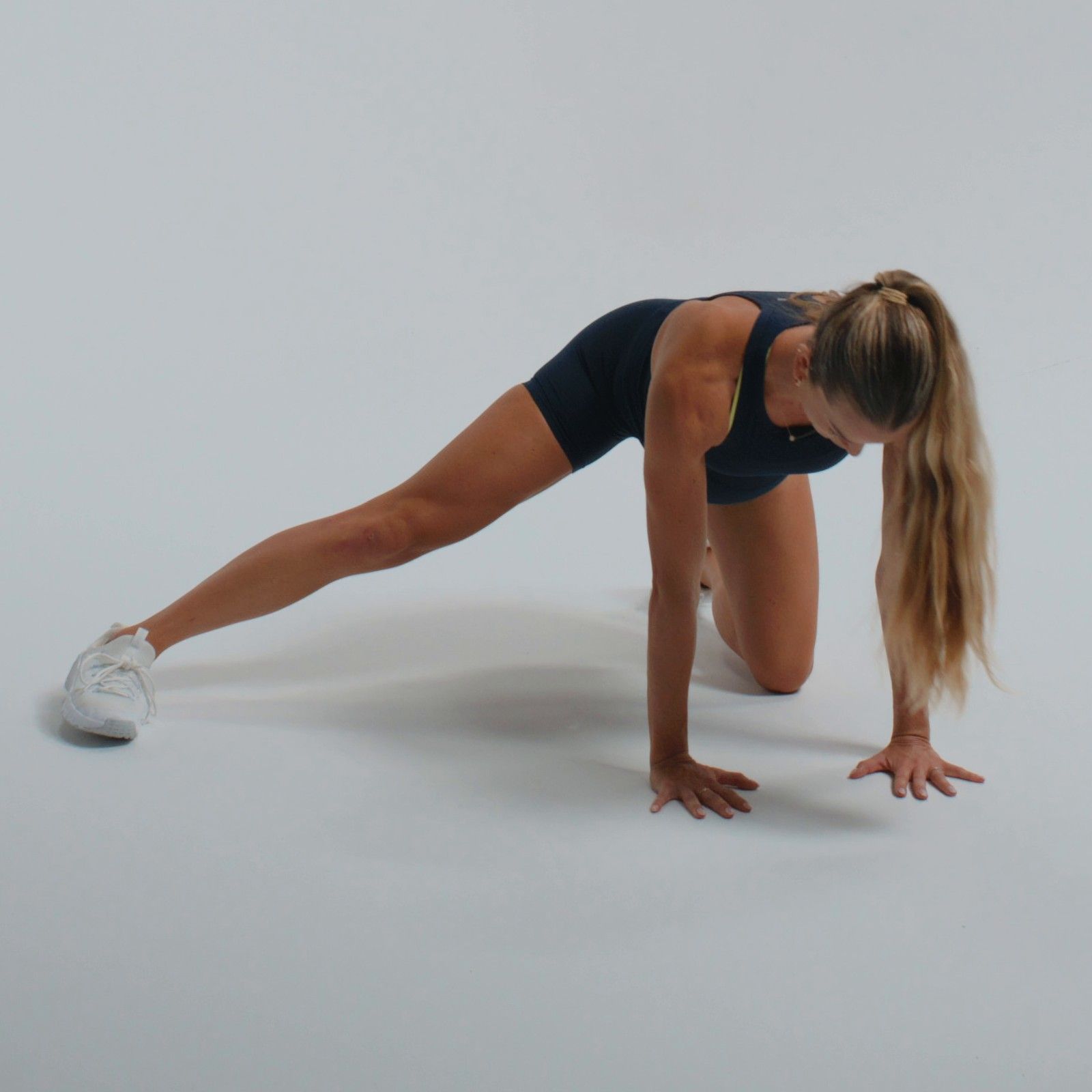
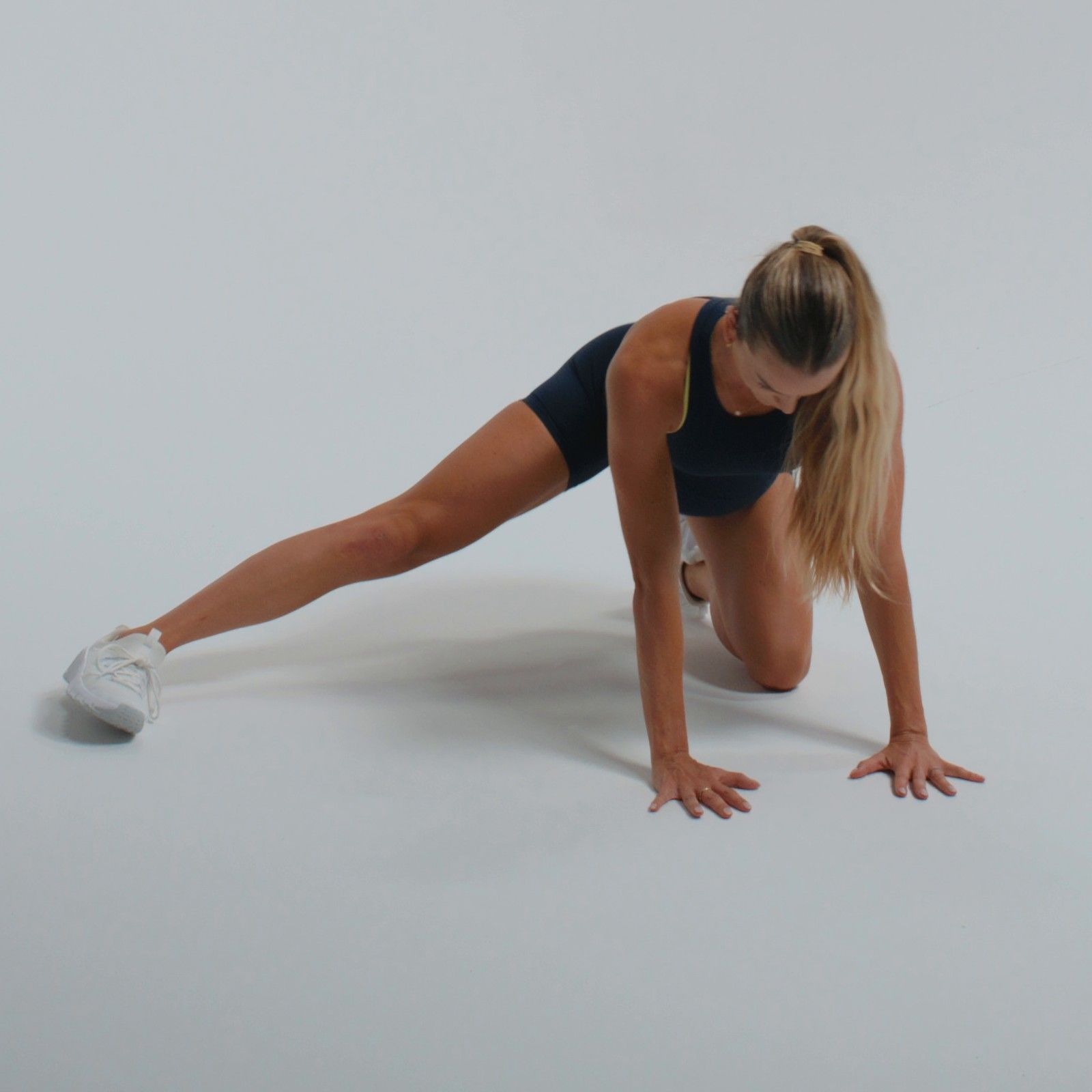
Set up: From all fours, stretch one leg straight out to the side, toes in line with your knee.
Breathe and move: Breathe in as you rock your hips back toward your heel, and breathe out as you come forward.
Feel it: A stretch along your inner thigh. Your inner thighs are closely linked to your pelvic floor, so letting them go can help it let go too.
Dose: 6–8 rocks each side.
Gentler: a smaller rock. Deeper: thread your top arm under you for a gentle twist.
Watch for: keep the stretch in the muscle, not the inside of your knee.
7. Supported Deep Squat
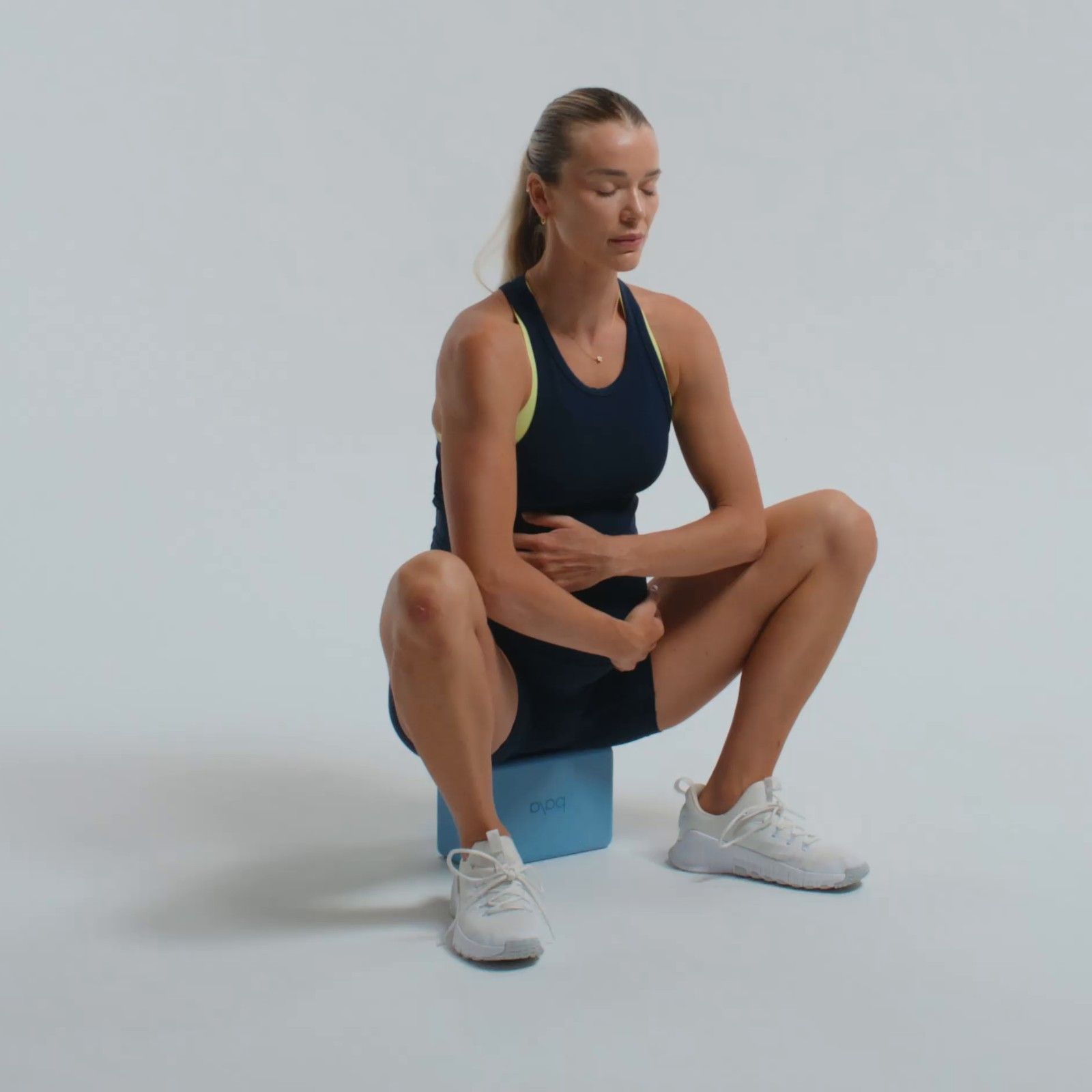
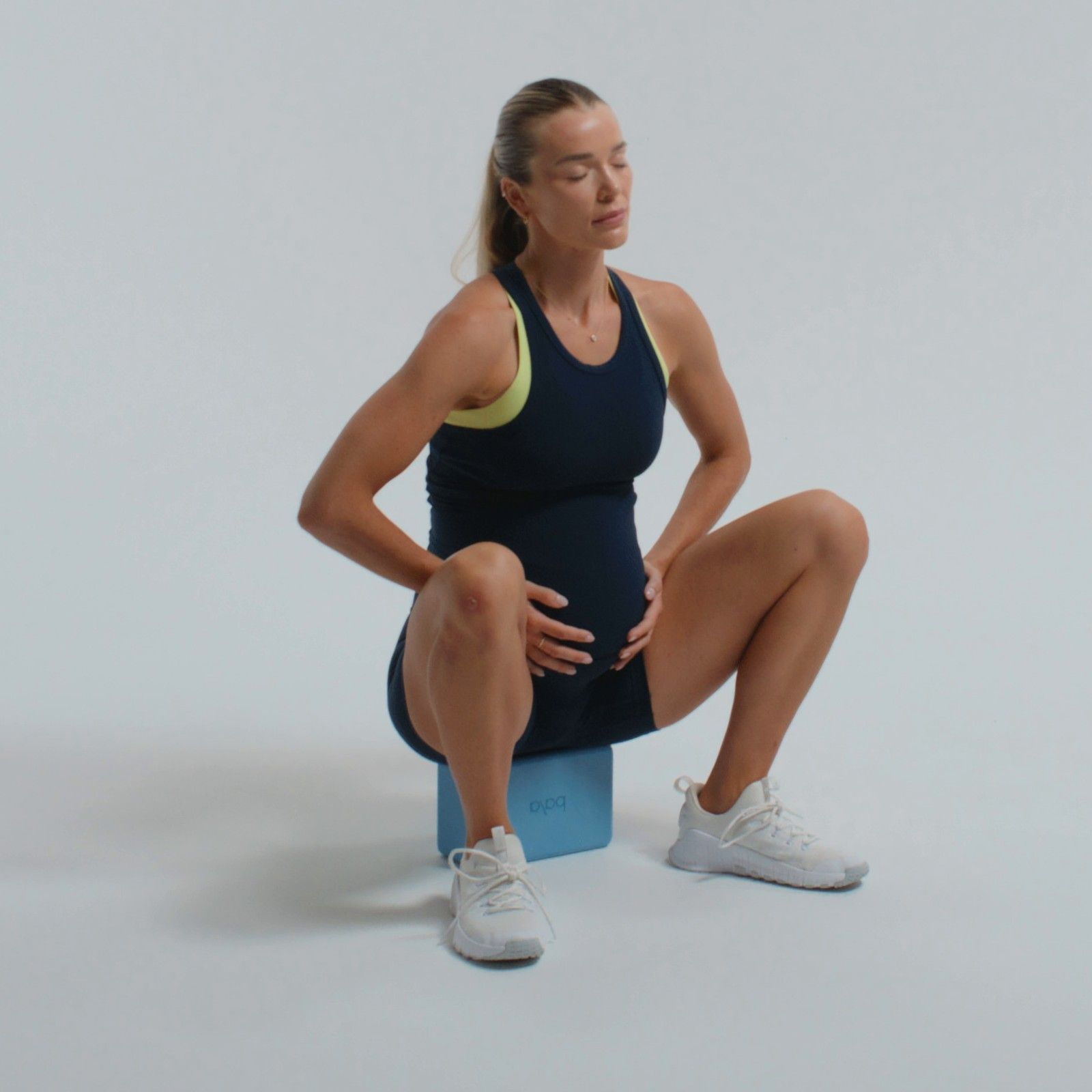
Set up: Put a block or a stack of books under your seat, take your knees wide, turn your feet out and rest your hands on your bump or thighs.
Breathe and move: Take big breaths into your ribs, and let the air gently press down and lengthen your pelvic floor. Then let the breath fall out without pushing. I like a 4-second breath in and an 8-second breath out here.
Feel it: Soft jaw, heavy hips. Picture meeting your baby, or repeat a birth affirmation.
Dose: 1–2 minutes, or 6–8 slow breaths.
Gentler: sit higher on two blocks or a low stool, and hold a chair. Deeper: lower your seat a little.
Watch for: heaviness or pressure in your pelvis means it's a sit-higher or skip-it day.
Follow along with me (free)
Here's the full 18-minute routine on my YouTube channel, with all seven moves plus two bonus ones. I'll talk you through every breath.
Watch the 18-minute labor prep routine with Ella (free)
Jump to: Cat-cow rocks 1:47 · Rock backs 2:57 · Hip shifts 4:08 · Lunge leans 6:29 · Pigeon 8:47 · Adductor rocks 14:37 · Deep squat 16:57
Short on time? Try my 10-minute pelvic floor release.
Love this? In my app, MOMDAY, you'll find more routines like this, with a plan for every week so you always know what to do next. Try it free for 7 days.
How it should feel
How it should feel: steady breathing, a gentle stretch or a working-muscle feeling, and you can still talk.
Pause and adjust if you notice doming along your belly, heaviness or pressure in your pelvis, leaking, or anything sharp. Make the range smaller, add support, or skip that move today.
Stop and call your OB or midwife if you have bleeding or fluid leaking from the vagina, feel dizzy or faint, have chest pain, a headache, muscle weakness, calf pain or swelling, regular painful contractions, or you're short of breath before you even start.
How to fit this into your week
Aim for 3–4 times a week, or most days if you love it. The Sussex team says these stretches work best done most days, with holds of at least 30 seconds, 2–3 times each side.
- Full-energy day: all 7 moves or the full video (15–18 minutes)
- Low-energy day or bedtime: moves 1, 5 and 7 (5 minutes)
FAQ
When should I start pelvic floor stretches for birth?
Any time they feel good. A good rhythm is to build them into your week through your third trimester, but it's never too early or too late to start.
Should I still do Kegels?
Strength and relaxation go together. Your pelvic floor needs to squeeze when you need it and fully let go afterward. If you do Kegels, finish each one by fully letting go, and use these stretches for the letting-go side. Not sure what's right for you? Ask your provider about a pelvic floor physio.
Is a deep squat good for birth prep?
A supported deep squat lets you practice a wide, birth-friendly shape while you breathe. Sit on a block so your hips can relax. If you feel pelvic heaviness or pressure, sit higher or skip it.
Key takeaways
- Your pelvic floor needs strength and length. This routine trains the letting go.
- Breathe in to soften and lengthen. Breathe out and let everything rise.
- Comfort is the rule: use props, go smaller, skip anything sharp.
Keep reading
- How to prepare your bony pelvis and pelvic floor for labor
- Pelvic floor 101: what your pelvic floor actually is
- Push prep 101: how to prepare for pushing
- More birth prep posts
Sources
- University Hospitals Plymouth NHS Trust. Pelvic Floor Relaxation. Patient leaflet.
- Women's Health Sussex (NHS). Stretches to Relax the Pelvis.
- American College of Obstetricians and Gynecologists. Exercise During Pregnancy. FAQ.
All sources checked November 17, 2026.
About Ella
Ella Dove is a certified prenatal and postpartum exercise specialist, the founder of MOMDAY and a mom. She teaches strength, mobility and birth prep that fit real life, with progress without pressure. Start your 7-day free trial.
opens in a new tabRelated articles
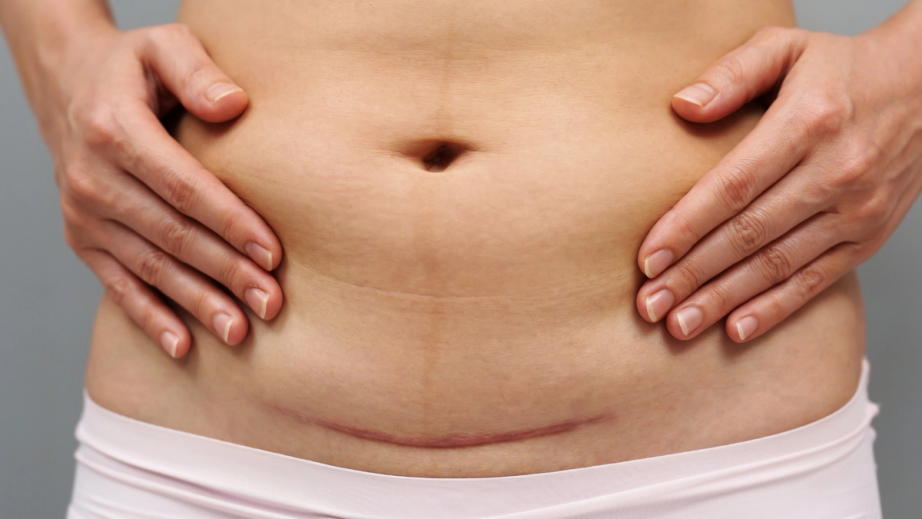
Step-by-Step Guide to C-Section Scar Desensitization and Mobilization
Many Moms notice their incision feels tight, numb, tender, or even hypersensitive. Scar sensitivity is common after a c-section, and desensitization can help your nerves calm down, reduce discomfort, and make touch feel normal again. You can usually begin gentle desensitization immediately postpartum as long as we are staying above and below the incision and not directly on the incision. Once your
7 min read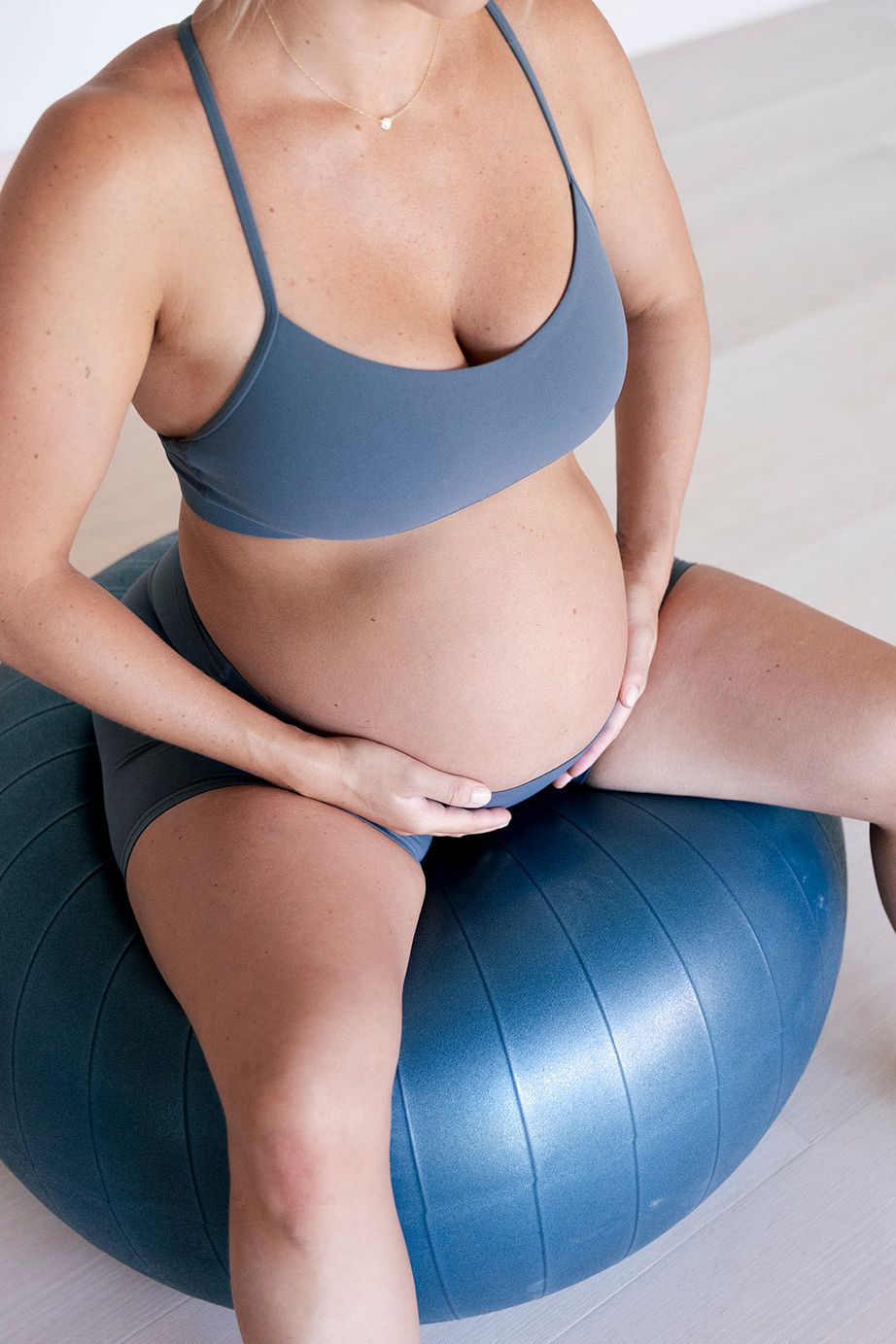
Understanding and Managing Symphysis Pubis Dysfunction (SPD) During Pregnancy
If you’ve been experiencing pain in your pelvic area during pregnancy, you’re not alone. This condition is super common, and while it can be uncomfortable, there’s a lot you can do to feel better and keep moving confidently through your pregnancy. In this post we dive into what SPD is, why it happens, and how you can manage it. Plus, I’ll share some of my favorite exercises to help you find relief
9 min read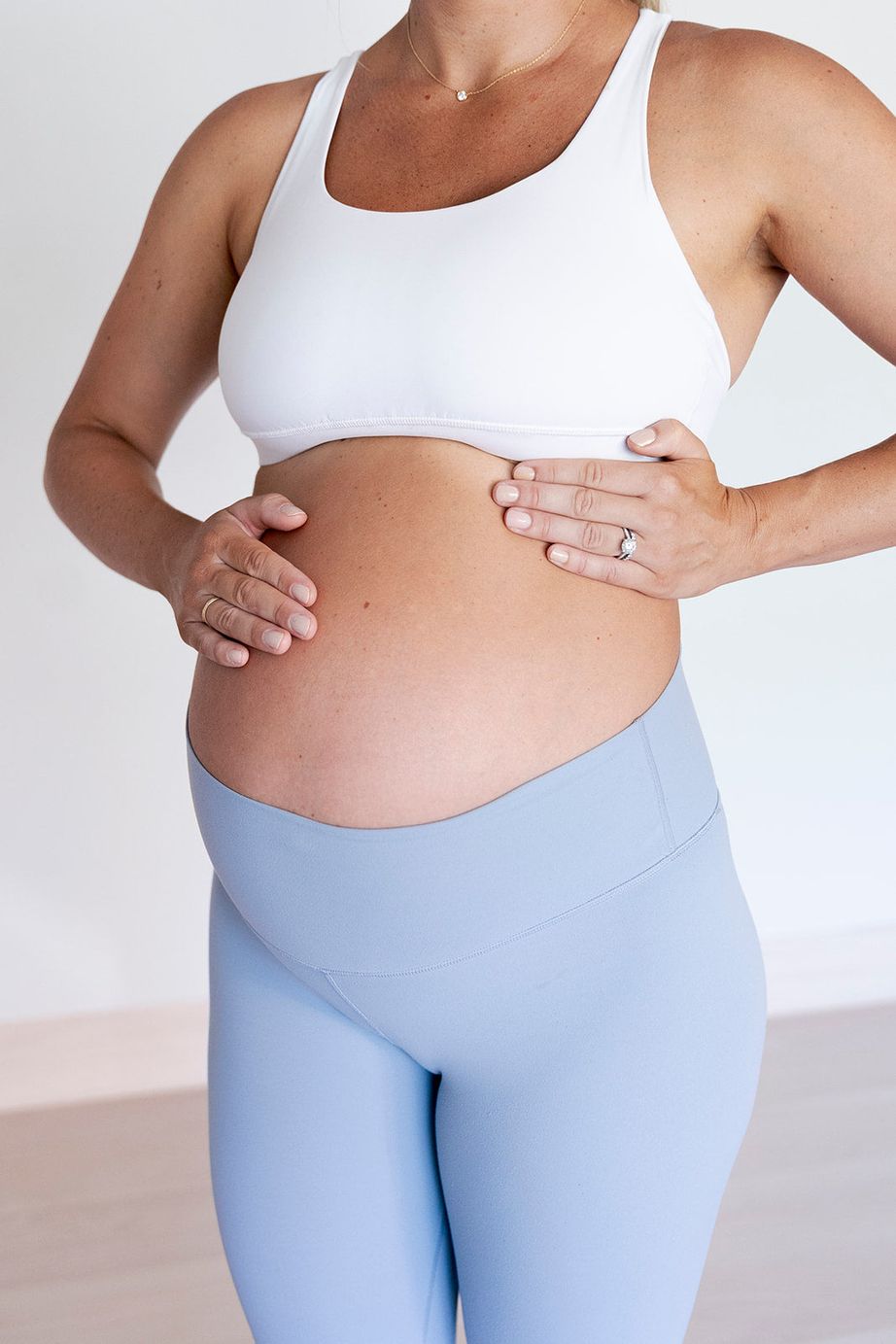
Rib Cage Pain During Pregnancy: What Causes It and What Can You Do to Help?
During pregnancy, your rib cage undergoes some amazing transformations. To make room for your growing baby, your ribs start to flare upward and outward. This change creates more space for your internal organs, which are being gently pushed upward by your expanding uterus. While this adaptation is essential for your baby’s development, it can also lead to discomfort or pain in the rib cage and the
7 min read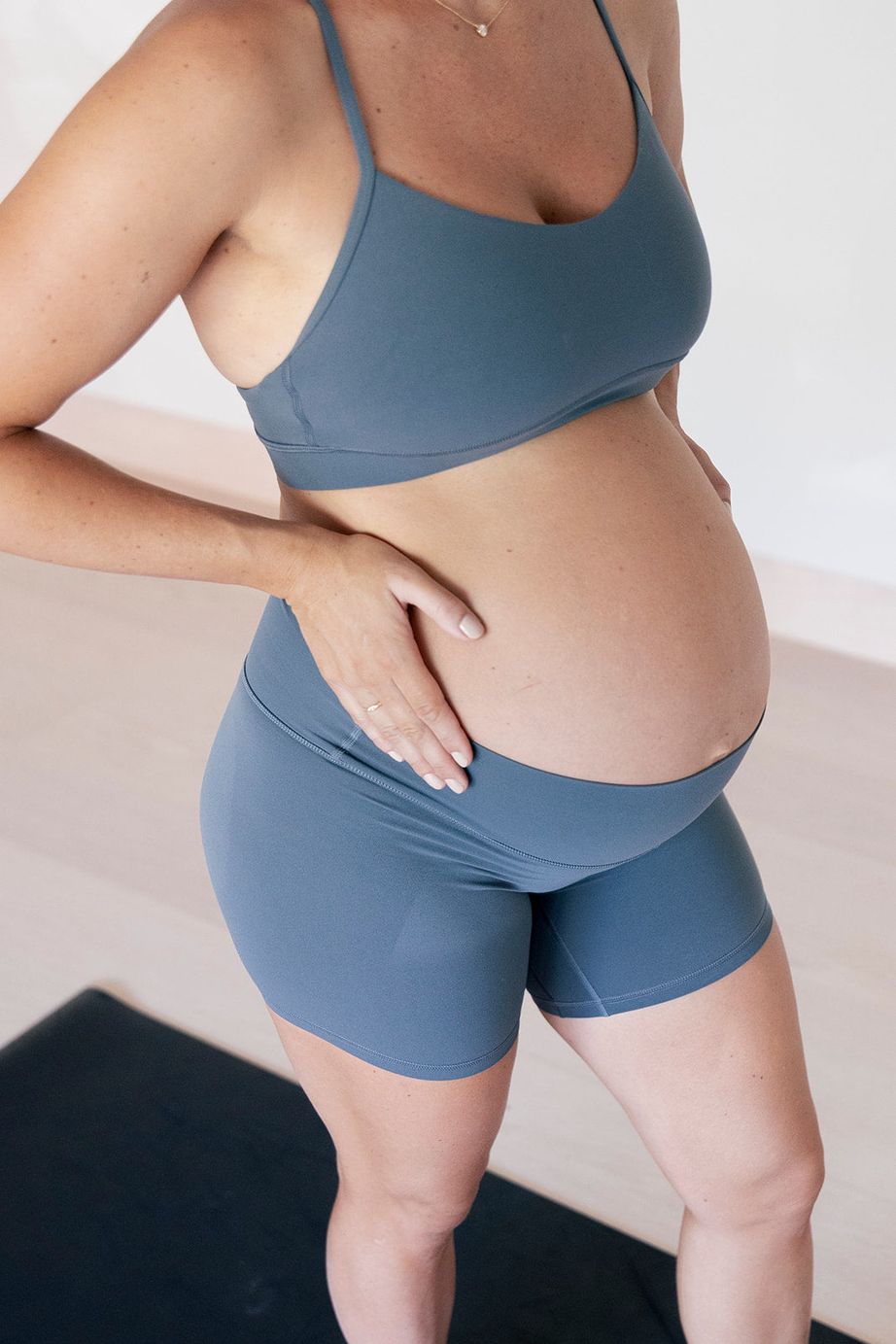
Fundamentals of Exercising During Pregnancy : Important Considerations for a Strong, Healthy Pregnancy
So, you’re currently pregnant and still working out as you did pre-pregnancy and want to learn about if you need to change anything with your training? You have a healthy pregnancy so far, but now you’re considering a more focused prenatal fitness program to support your changing body and growing baby. You might be uns
9 min read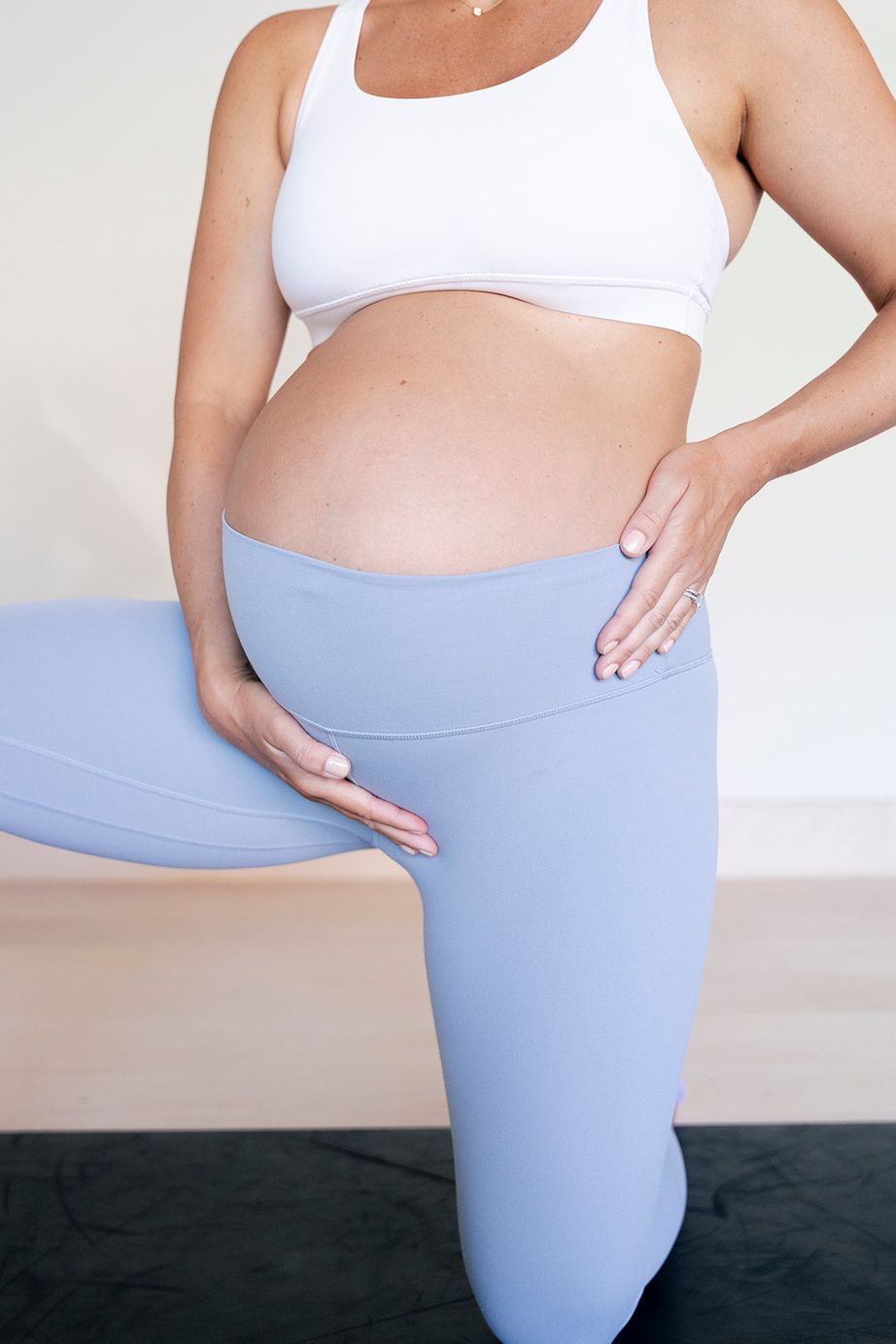
Round Ligament Pain During Pregnancy: What It Is and How to Make It Better
Round ligament pain is a common symptom of pregnancy, caused by the amazing (and challenging) changes your body goes through to support your baby. While the sharp pains or “lightning crotch” sensations can be uncomfortable, they’re manageable with the right tools and techniques.
7 min read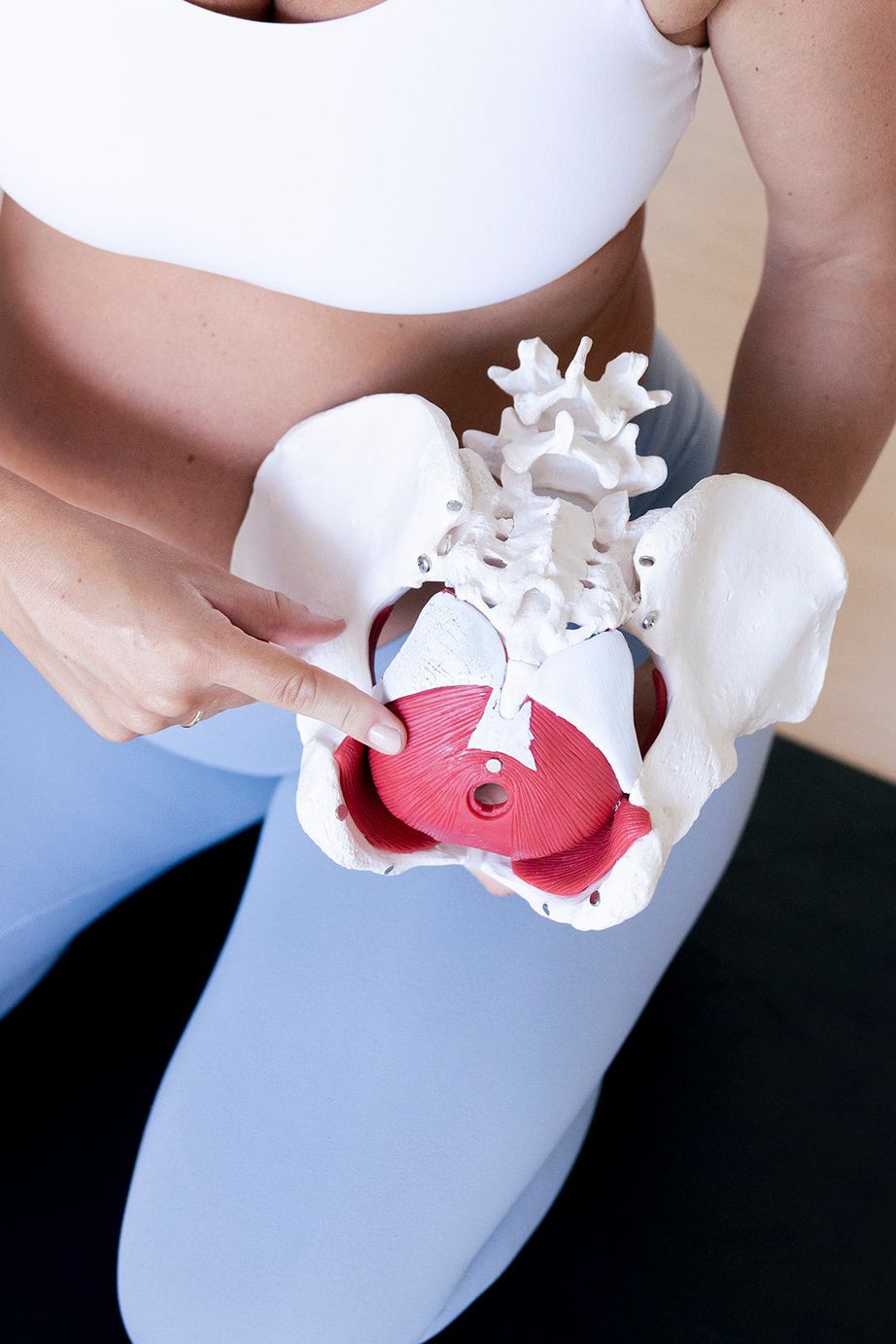
How Do I Do Pelvic Floor Exercises?
Whether you’ve heard of Kegels or simply want to know more about these muscles, let’s talk about how uderstanding the pelvic floor, why it’s important to strengthen it, and how to do so effectively.
8 min read